One landscape, five film responses
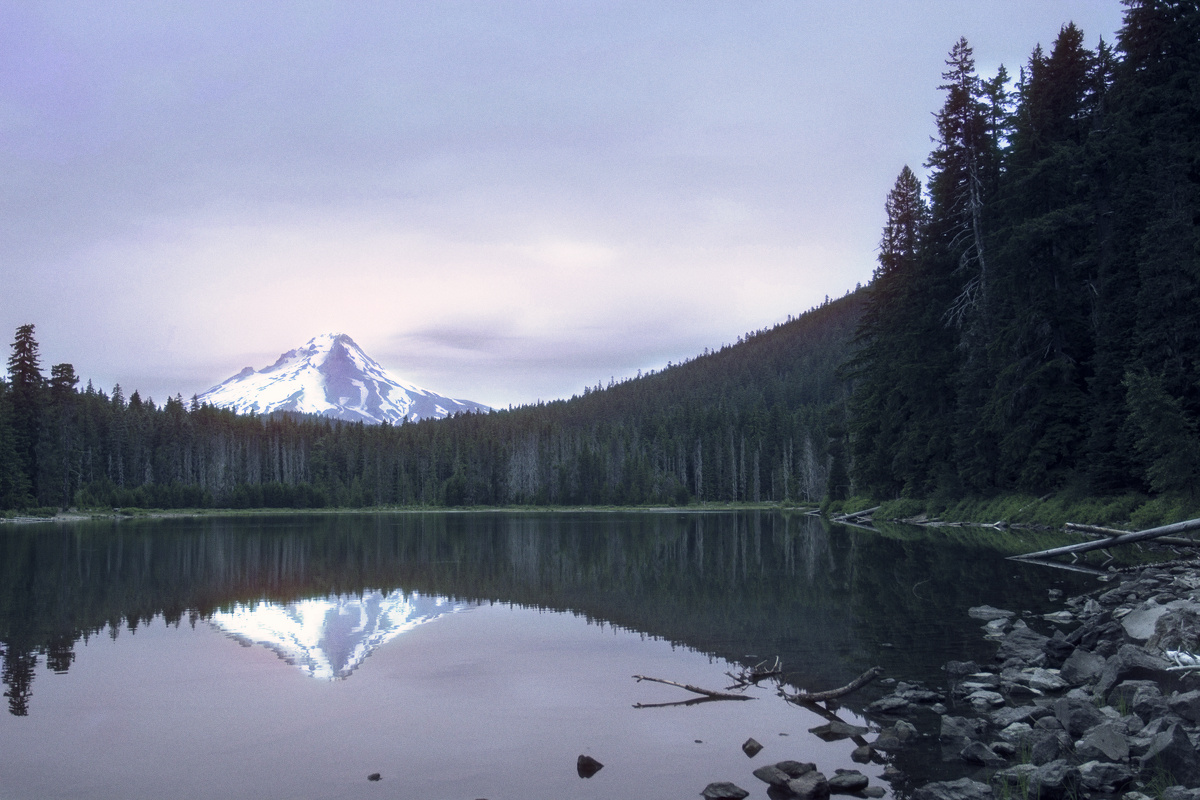
A controlled comparison made from one source image. Every output below was rendered by the PresetCan browser engine, not assembled from unrelated stock photographs.
The source
The published photograph is a 5,184 × 3,456 JPEG. This study uses a 1,200 × 800 sRGB derivative containing a neutral sky, snow highlights, deep evergreen shadows, rocks, and a cool lake reflection—enough range to expose color and tonal shifts without changing the scene.
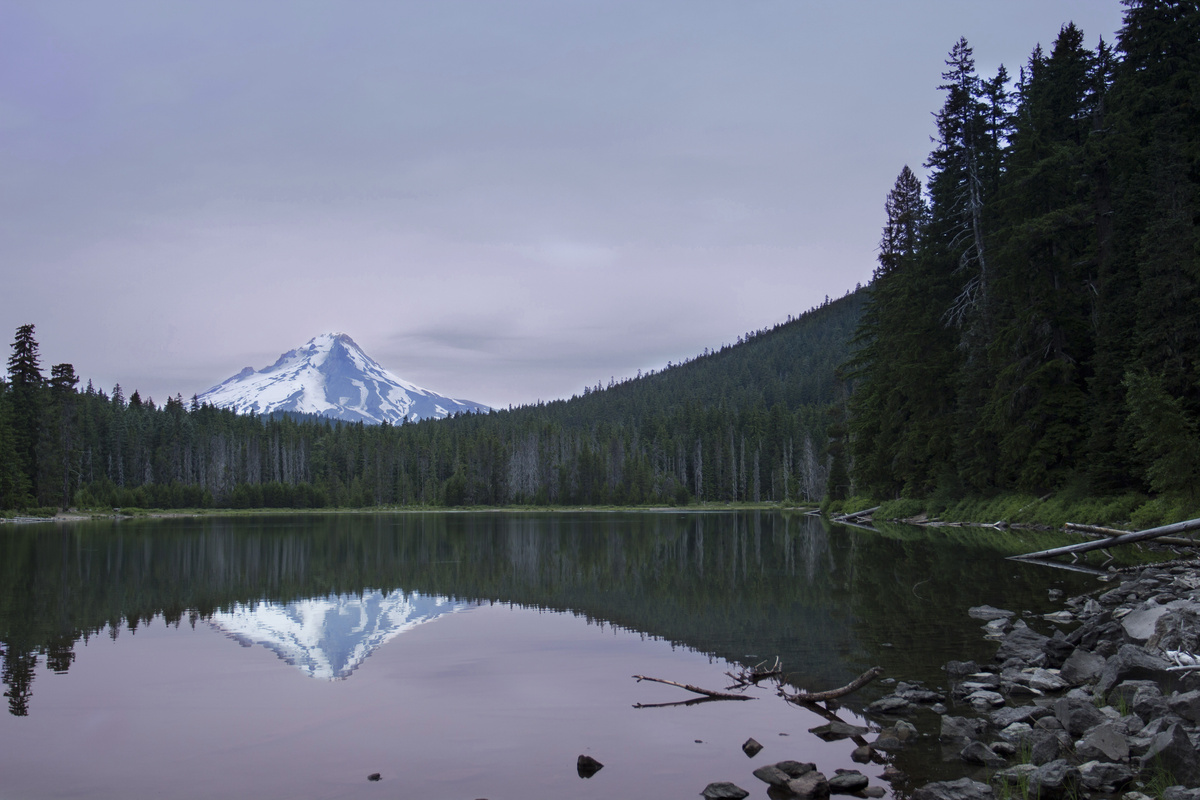 “Lake Mountain Landscape” by Bonnie Moreland · Wikimedia Commons · CC0 1.0 public-domain dedication
Locked render settings
All five outputs use the same controls: Filmic tone mapping, 0 EV exposure, ISO 200, grain strength 0.8, halation 1.0, density 1.0, no vignette, and no light leak. Only the film response changes.
Kodak Portra 400
The forest greens become quieter, the pink reflection is softened, and the overall contrast stays restrained.
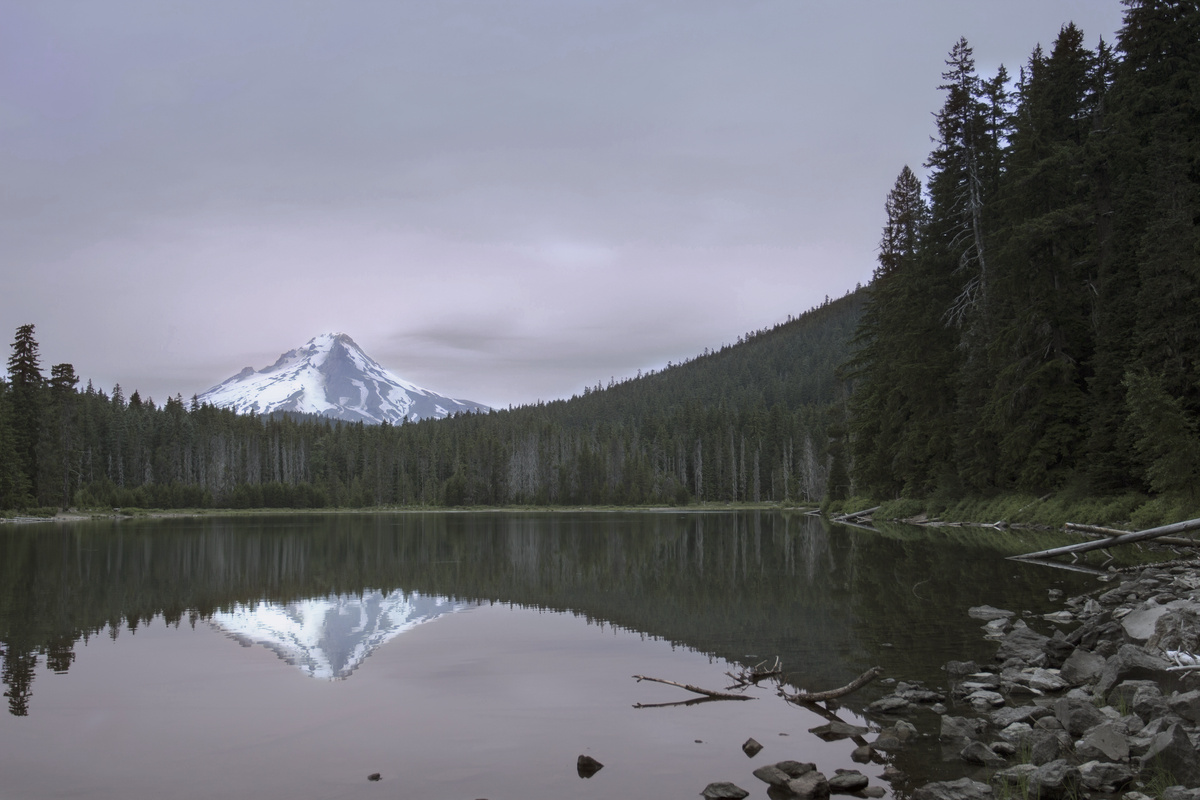
Kodak Gold 200
Blacks become denser while the sky and snow move toward a cooler blue-lilac response.
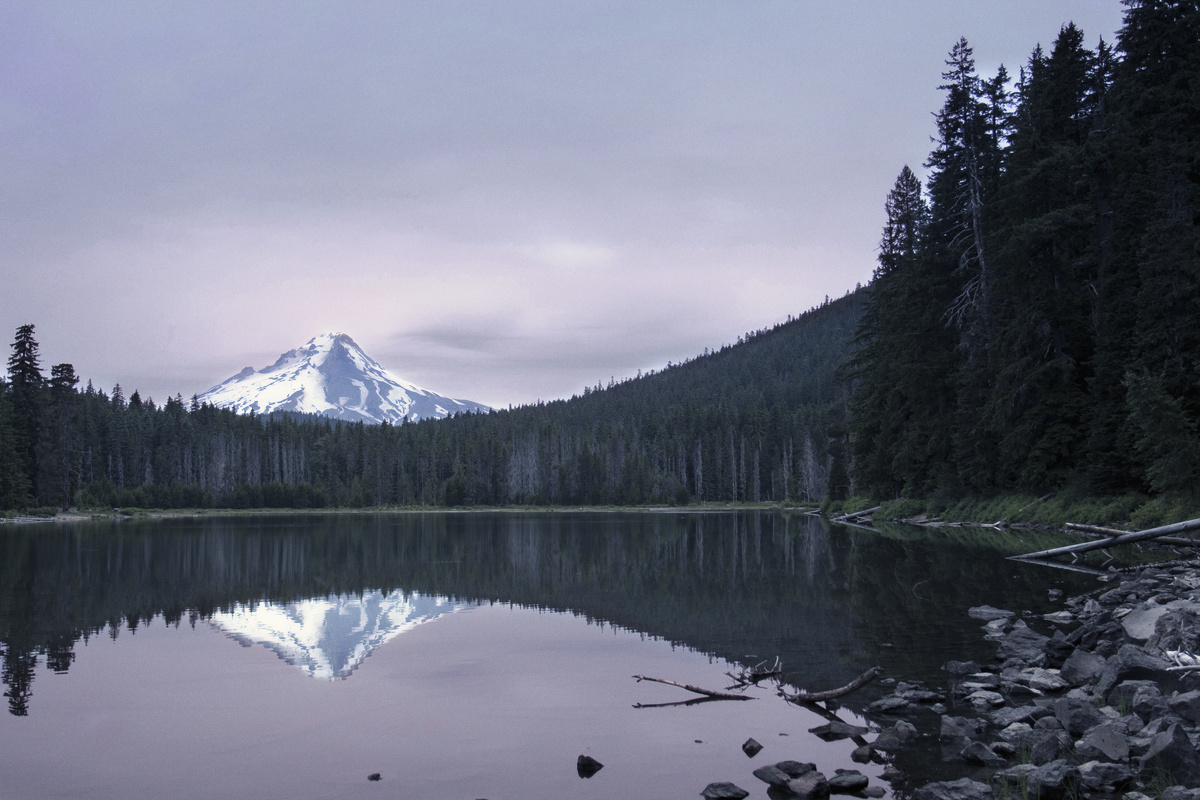
Kodak Vision3 250D
The shift is the most restrained: muted greens, controlled snow highlights, and a slightly cooler lake.
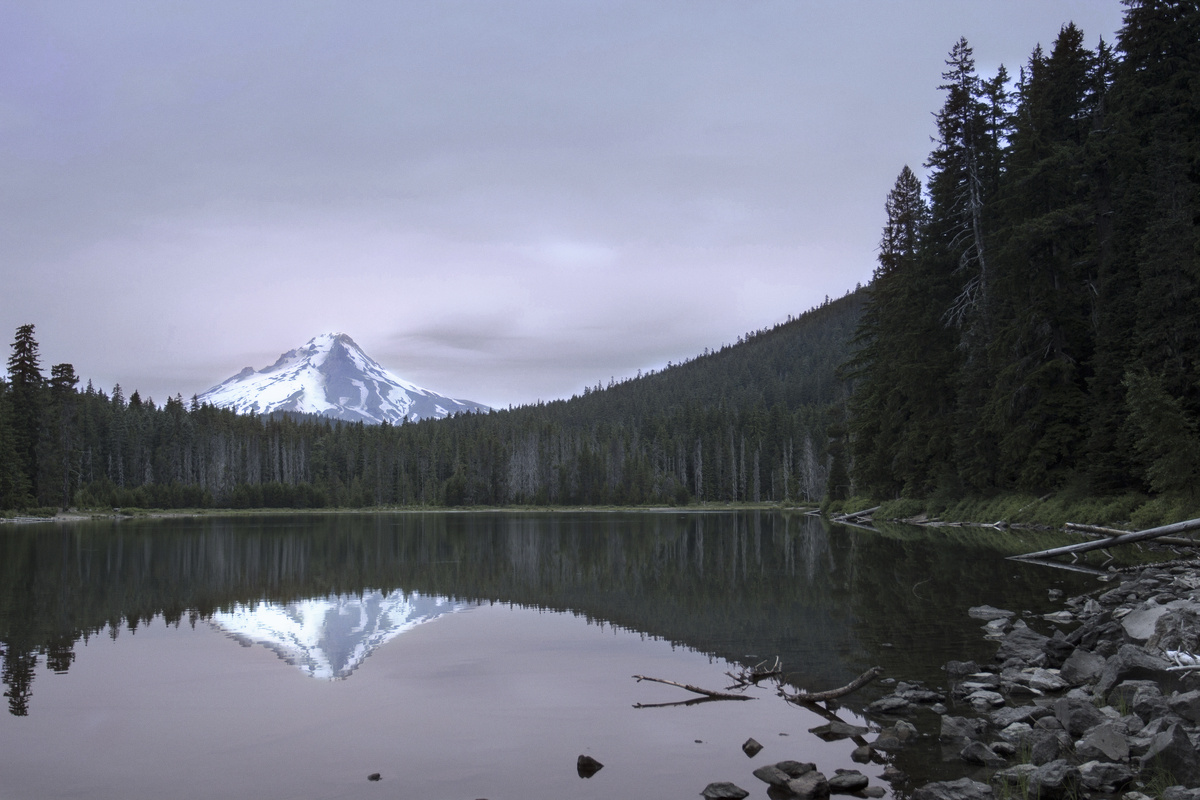
CineStill 800T
Blue-cyan shadows are more pronounced, while a faint warm edge appears around the bright ridge and reflection.
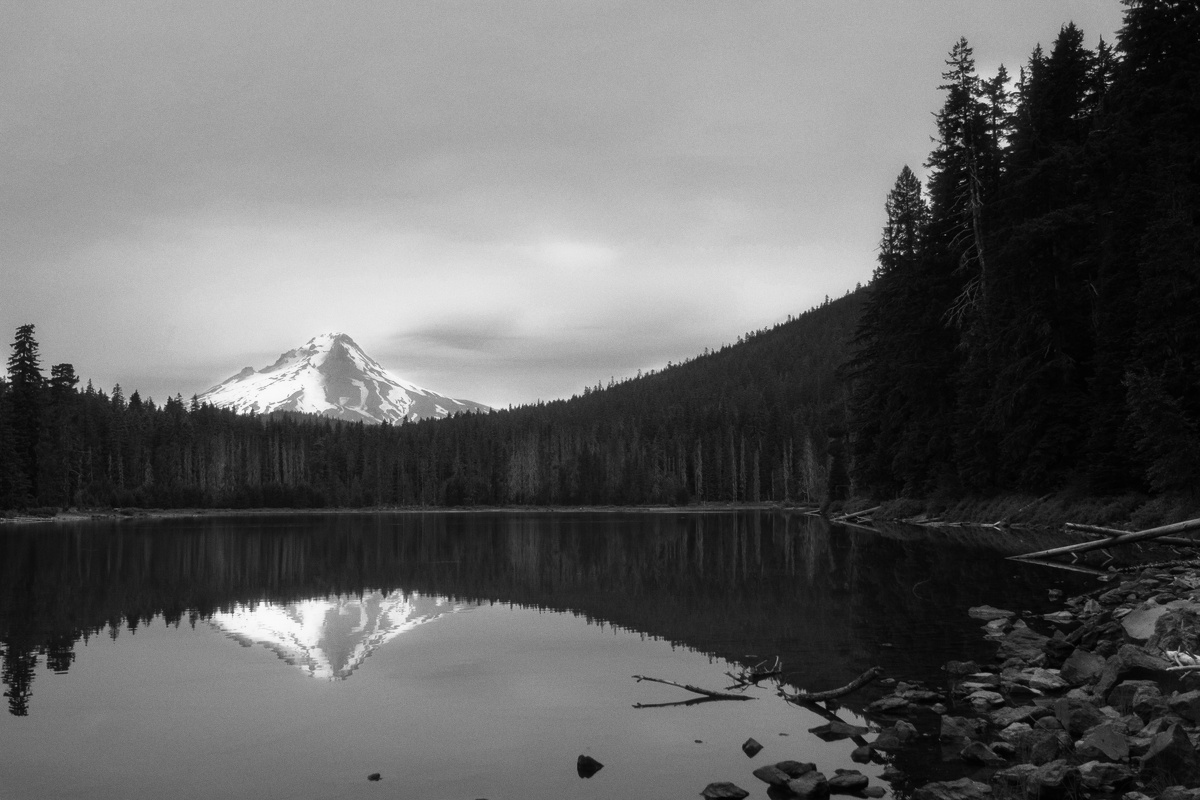
Kodak Tri-X 400
Color is removed; the snow, tree line, rocks, and reflections separate through luminance and visible grain.
What this comparison does not prove
These images show the current PresetCan renderer’s behavior on this source. They do not claim a laboratory match to physical film, scanner output, or darkroom printing. Different exposure, white balance, and source color spaces can produce different relationships.